Schonstedt GA-52Cx Magnetic Locator $1,301 Request a quote
Finds iron and steel and ignores aluminum, brass and copper.
$1,236Our magnetic locators find buried iron and steel, like survey pins, valve boxes, manhole covers and well casings, and ignore aluminum, brass and copper. Choose from four Schonstedt models or the Vivax-Metrotech VM-880.
Finds iron and steel and ignores aluminum, brass and copper.
$1,236Shorter GA-52Cx sibling with a screen that shows signal strength and polarity to help find a target's center.
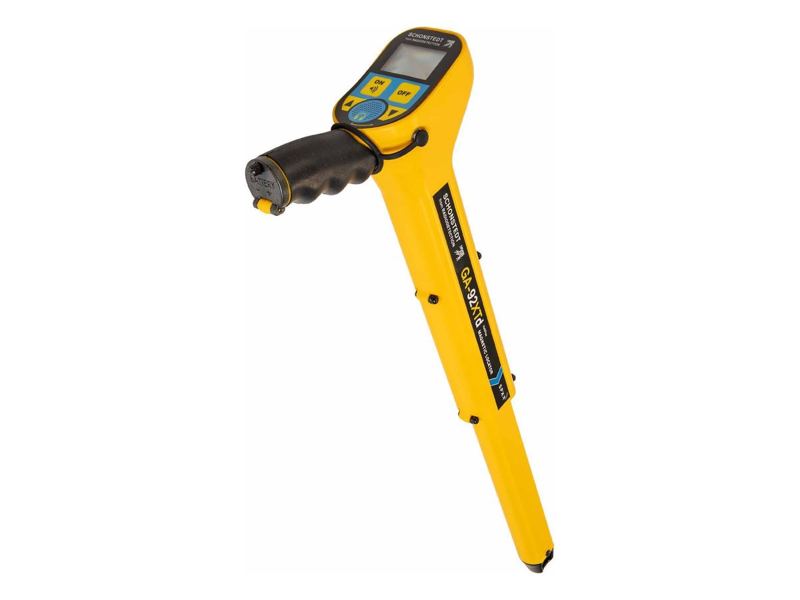
$1,348Pistol-grip magnetic locator with a polarity readout that slides shut from 26 in. to 15.5 in. for storage.
$1,306Lighter push-button version of the GA-52Cx stick that finds buried iron and steel, to 18 ft on well casings.
$1,110Finds buried iron and steel: valve boxes, manhole covers, survey nails and cast iron pipe.
$1,071How deep each model reads, from the manufacturers' own figures:
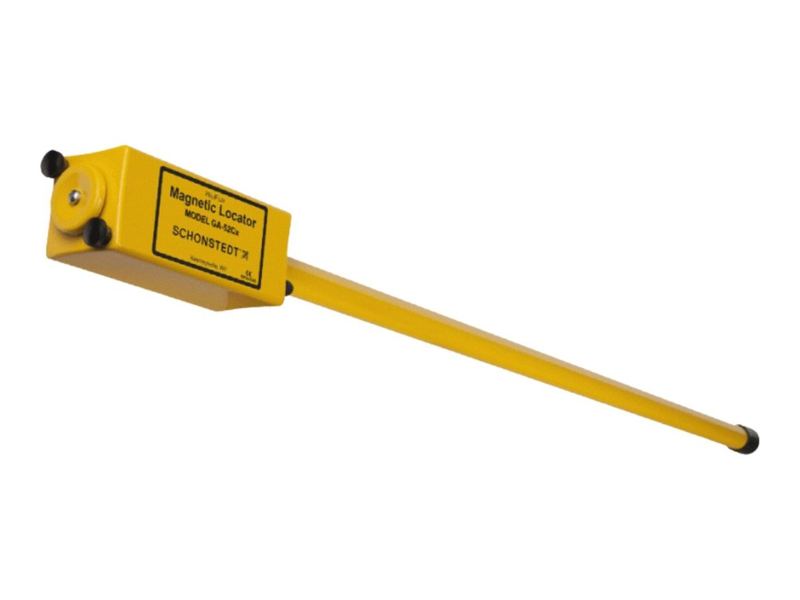
Iron property pins, corner markers and PK nails give a clear rise in tone. Schonstedt lists survey markers to 9 ft and a PK nail at 12 in. on the GA-52Cx. Hold the locator upright and trace a slow X to land right on the pin.
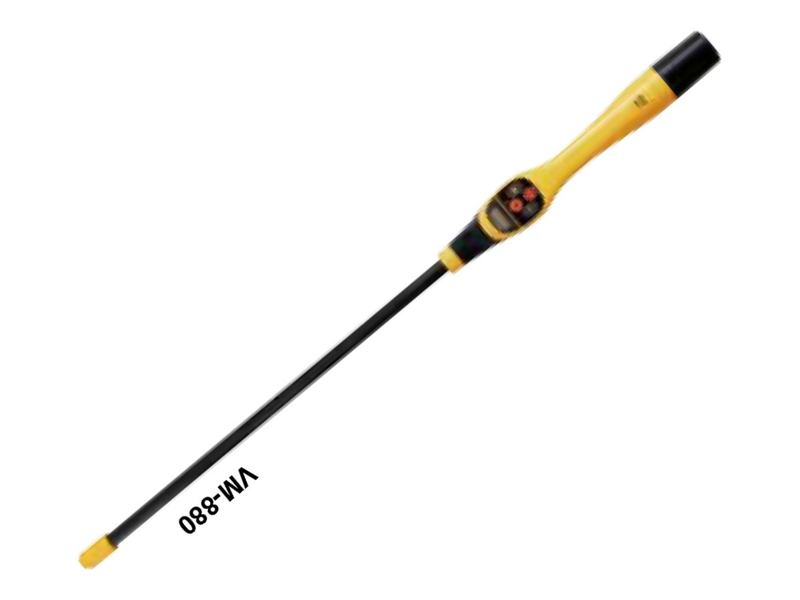
Curb boxes, valve boxes, iron valves, manhole covers and cast iron pipe joints all show up. The Vivax-Metrotech VM-880 shows a plus or minus reading: a small valve cover gives one peak, and a manhole cover gives two, one at each end.
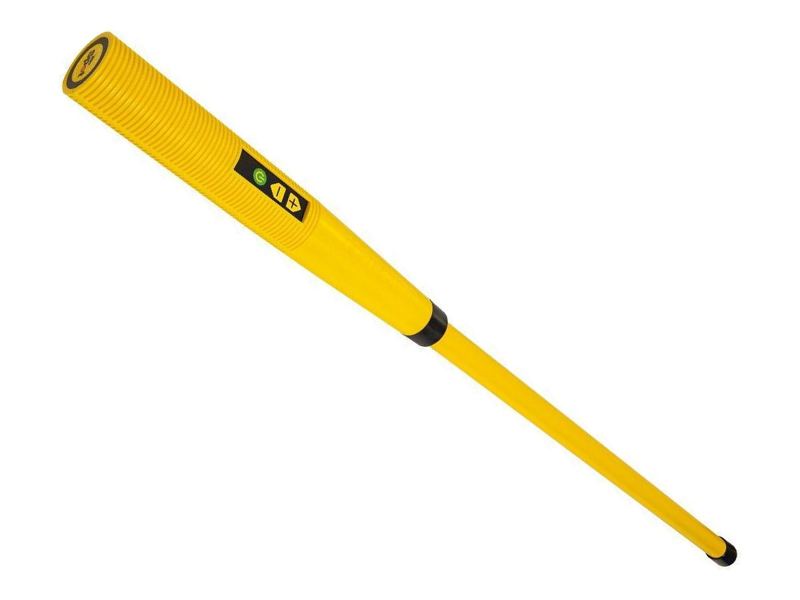
A magnetic locator is the metal detector for well casings you can't see. Steel casings read deeper than any other target on Schonstedt's lists, up to 18 ft on the Spot and GA-52Cx.
Iron and steel change the earth's magnetic field around them. The locator's two sensors compare the field at each end of the shaft, and the tone climbs as the difference grows. Aluminum, brass and copper don't register, so they stay quiet.
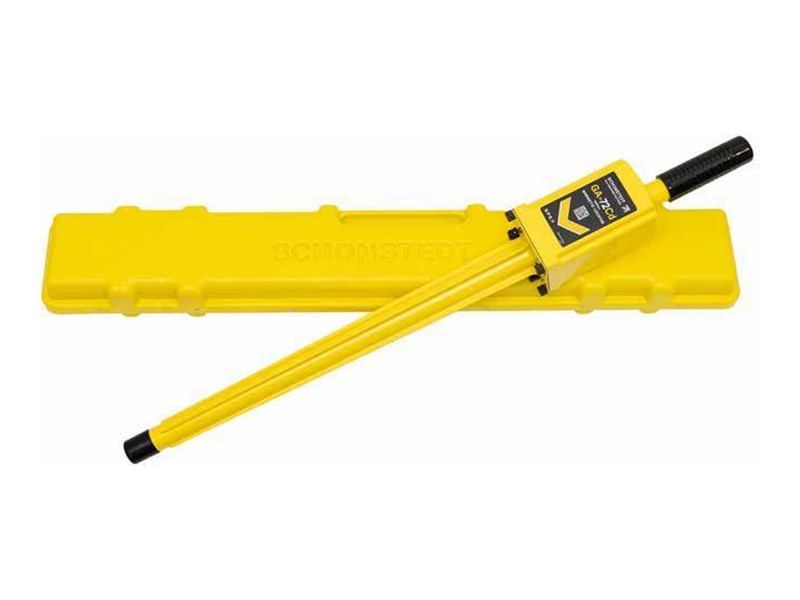
The GA-52Cx is the metal-housed stick with two knobs and tone only. The GA-72Cd and GA-92XTd add a screen with a plus or minus reading, and the GA-92XTd slides shut to 15.5 in. for storage. The Spot is a lighter push-button version of the GA-52Cx, and the VM-880 sets its own sensitivity when you turn it on.
Buying for a survey party or a utility crew? Send us the models and how many you need, and we'll respond with one written quote. We stay in contact after the sale, and when a locator needs work, call us.
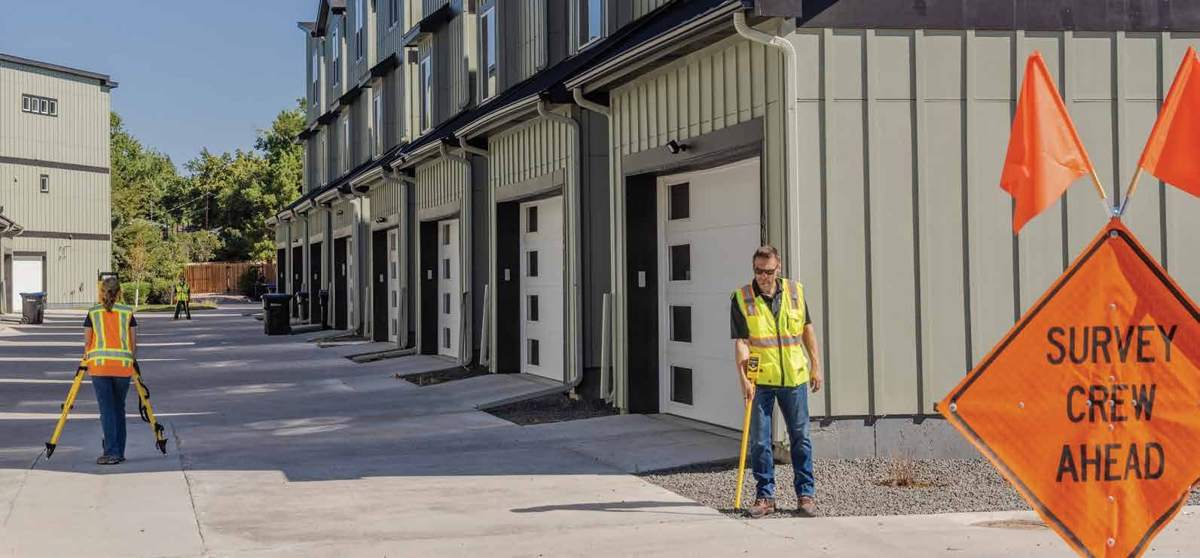
Finding buried iron property pins, corner markers and PK nails. When you set a new pin, check the reading both ways and drive it the way that reads strongest.
No. It finds only iron and steel, so copper, brass, aluminum and plastic stay quiet. To find those lines, trace them with a pipe and cable locator, or follow the tracer wire buried with plastic pipe.
They're professional tools built for field work. Ours run from $1,071 for the Vivax-Metrotech VM-880 to $1,348 for the Schonstedt GA-72Cd, and the four Schonstedt models carry a 7-year limited warranty from Schonstedt.
Call 937-657-2735 or request a quote and tell us what you need to find.